
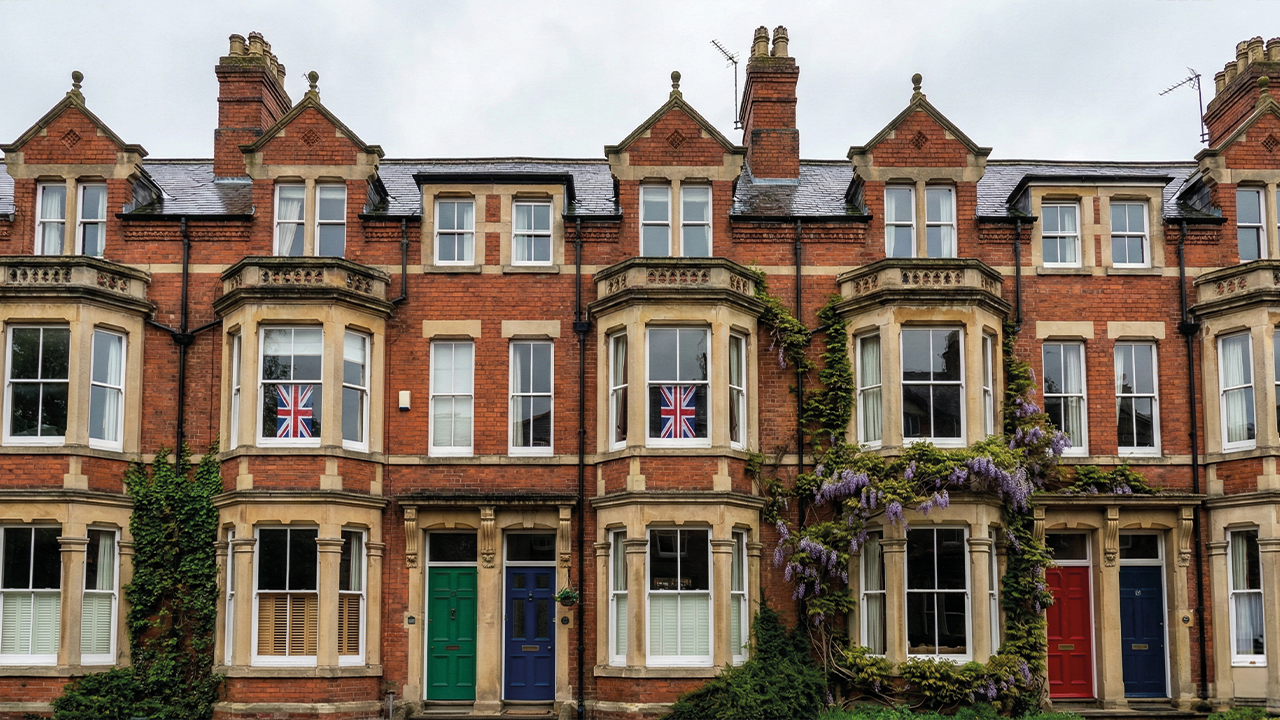
The Labour Party has granted six areas in and around London the authority to raise council taxes at higher rates, as part of a plan to redirect government funding toward poorer regions.
Under this decision, Kensington and Chelsea, Westminster, Wandsworth, Hammersmith and Fulham, the City of London, and Windsor and Maidenhead will be able to increase taxes by more than 5% over the next two years without the need for a local referendum.
Details of the Funding Reform
From 2026, the new system, set to be rolled out gradually, aims to channel a larger share of state funding toward areas with higher poverty rates and a greater concentration of properties in lower tax bands.

The government’s take is that these specific spots got hit the hardest by the cuts back in the 2010s. They’re saying the old way of doing things just isn’t cutting it anymore and can’t keep up with what people actually need.
Reactions and Criticism
This change has also sparked political debate:
Government: Ministers say the change will make England’s funding model fairer.
The government notes that council tax levels in the six affected areas are already well below the national average, by between £450 and £1,280.
Conservatives: The opposition accuses the government of “penalising low-tax councils” and diverting funds to “poorly run Labour-led authorities.”
Reform UK: The party argues that the reform will sideline rural areas and funnel money toward London and major urban centres.
Previously, councils on the brink of bankruptcy, such as Birmingham and Croydon, were granted permission to impose steep tax rises; in this case, however, the justification is a shift in the funding model.
Overall local authority funding is set to rise by £3.9 billion (5.8%) next year; however, this projection is based on the assumption that all councils increase taxes by the maximum permitted rate of 5%.