
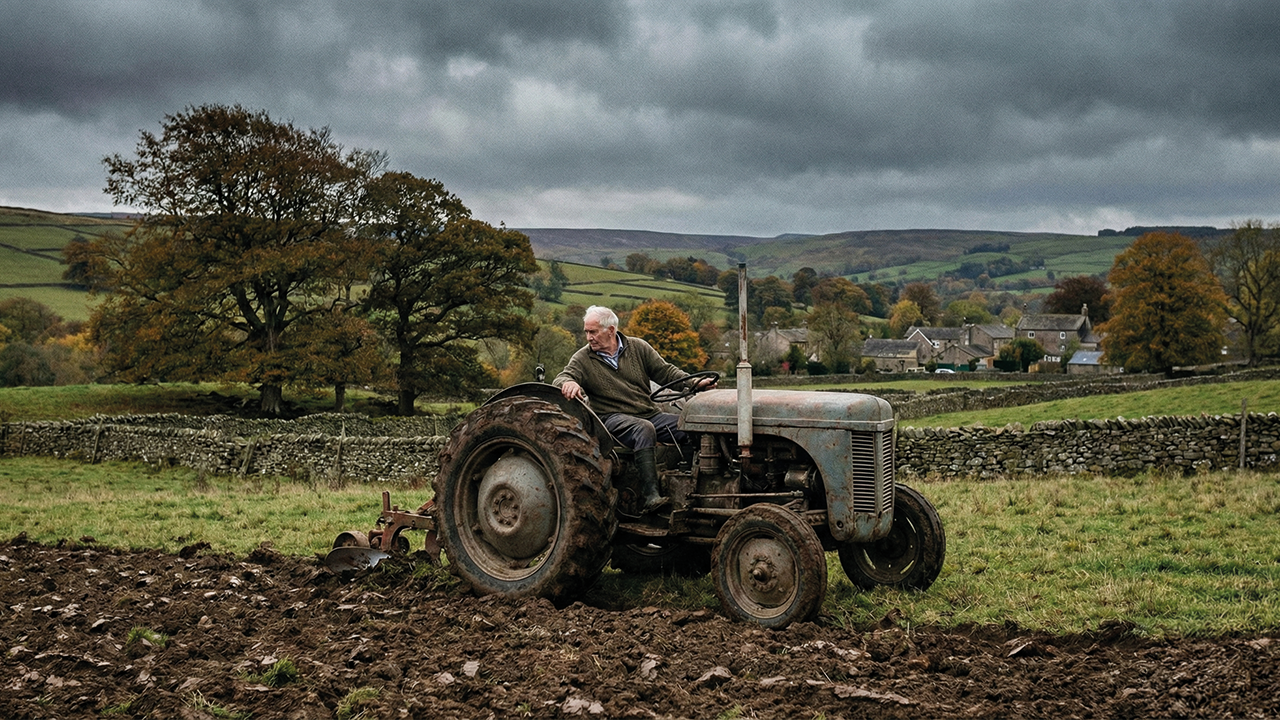
Policy reversal raises cap from £1m to £2.5m amid protests and fears for family-run farms.
Ministers have announced a significant change to plans for taxing inherited farmland, increasing the threshold from £1m to £2.5m after sustained pressure from farmers, rural MPs and campaigners. The decision, revealed quietly just before Christmas, will take effect from April when the new tax rules are due to begin.

Under the original proposal, agricultural assets worth more than £1m would have faced a 20% inheritance tax charge. The policy, set out in Rachel Reeves’s first budget last year, marked a departure from long-standing tax relief that has existed in its modern form since the 1980s. It was initially forecast to generate £520m a year by 2029.
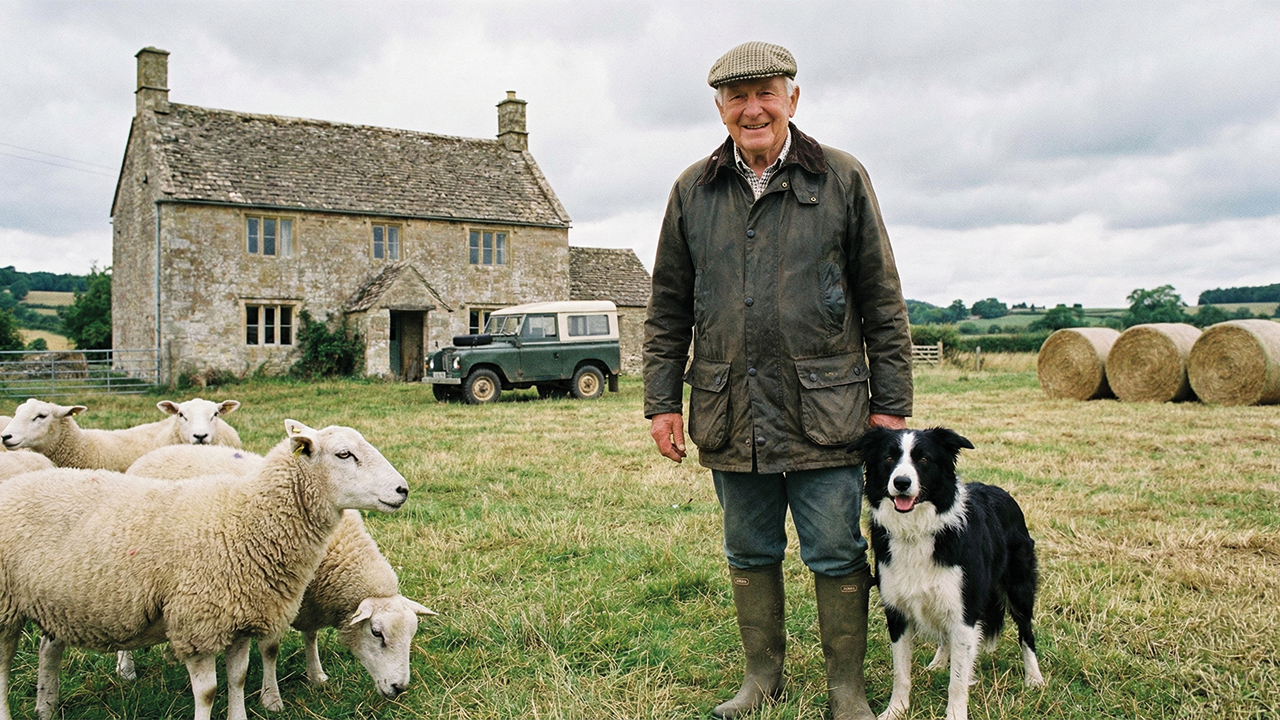
Critics Call It A ‘Family Farm Tax”!
Critics quickly branded the measure a “family farm tax”, arguing it would make it far harder for farms to be passed down through generations. Protests were held across the UK, with warnings that many family-run operations could be forced to sell land or cease trading altogether.
Behind the scenes, a group of Labour MPs representing rural constituencies pushed for a rethink, raising concerns directly with Treasury and environment ministers as well as the prime minister. Keir Starmer acknowledged last week that he had been made aware of deeply distressing cases involving terminally ill farmers fearful of the tax’s impact.
Far Fewer Properties Will Be Affected
The revised threshold means far fewer estates will be affected. Government figures suggest around 85% of farms will now avoid inheritance tax entirely, up from 75%, with the number of taxable estates next year falling from 375 to 185. Married couples will be able to combine allowances, meaning estates worth up to £5m can be passed on tax-free.

While the change will cost the Treasury an estimated £130m, ministers still expect the reforms to raise close to £300m annually. The environment secretary said the government had listened carefully to the farming community and aimed to protect ordinary family farms while ensuring larger estates contribute more.
Farming groups welcomed the move as a major relief, while opposition parties claimed credit for sustained campaigning. Others, including the Liberal Democrats and Reform UK, argued the concession did not go far enough and renewed calls for the tax on farms to be scrapped altogether.