
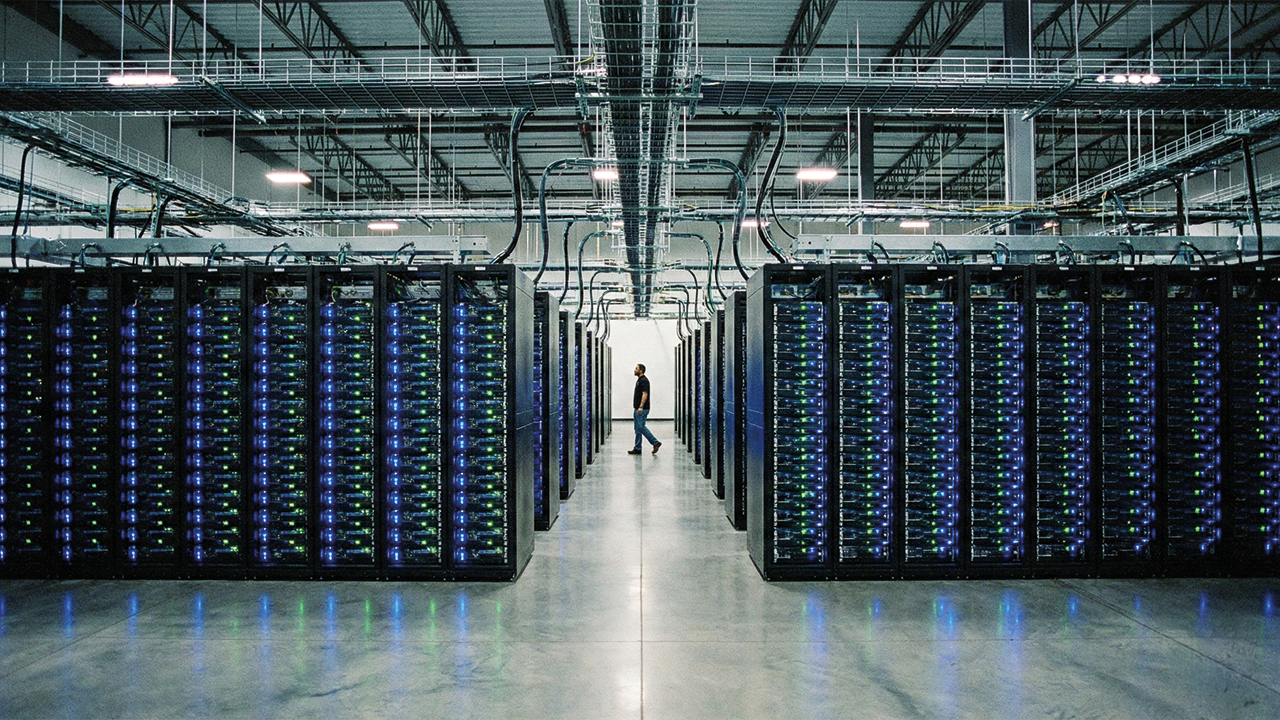
According to a new BloombergNEF report, the ongoing construction of data centers will require nearly triple the sector’s current electricity demand, or 2.7 times the current demand, over the next decade.
By 2035, data centers are forecasted to consume 106 gigawatts of power, a dramatic increase from their current usage of 40 gigawatts. BloombergNEF stated that a significant portion of this growth will take place in more rural areas because facilities are increasing in size and available locations near cities are becoming limited.


Big Changes Could Happen In The Next 10 Years
The substantial scale of the newly planned and constructed data centers is a major factor actively fueling and contributing to this overall growth in electricity demand. While currently only a small minority, specifically 10%, of existing data centers consume more than 50 megawatts of electricity, projections indicate a significant shift over the next decade, during which the typical new facility constructed will require an electrical capacity substantially exceeding 100 megawatts.
The data is heavily influenced by the sheer size of the largest data center sites, with nearly 25% of facilities projected to exceed 500 megawatts, and a small number even surpassing 1 gigawatt of capacity.
To a certain extent, the conclusions and projections presented within this newly released report do not come as a surprise, as they align with observable industry trends and previously anticipated developments.
Spurred by the rapid efforts of AI companies to construct increasingly powerful data centers, global investment in these facilities has been significantly boosted, reaching $580 billion this year.
This level of spending surpasses the amount the world allocates annually toward discovering new sources and supplies of oil.
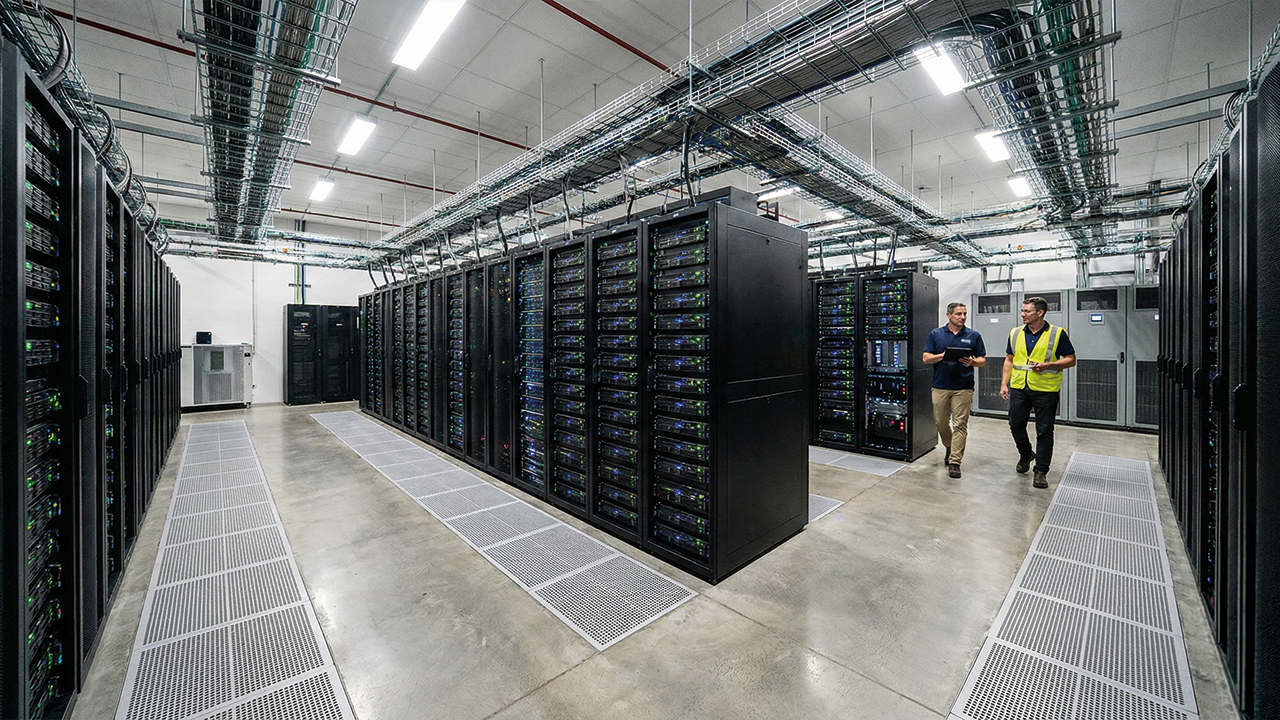
The Report Reveals The Realities Of The Sector!
Nevertheless, this new report clearly demonstrates the exceptionally rapid pace at which the industry landscape is currently undergoing transformation.
This latest document presents a significantly higher forecast compared to the one the group released in April.
The primary reason for this upward revision since April was a substantial surge in the number of new data center projects that have been officially announced in the intervening months. The primary cause of this upward trajectory was a sudden and significant increase in new project announcements made since the previous period.
The new report stated that since projects typically take an average of seven years to become operational, developments currently in their initial phases will have the greatest impact on the later years of the current forecast period.

The Number Of Projects Has More Than Doubled!
The number of projects in their early development stages has more than doubled between the beginning of 2024 and the beginning of 2025; however, these are separate from projects that are already fully committed or actively being built. A large portion of this newly planned data center capacity is concentrated in the states of Virginia, Pennsylvania, Ohio, Illinois, and New Jersey.
The Ercot grid in Texas will see a large number of additions too, along with a region known to industry experts as the PJM Interconnection. PJM is a regional transmission organization tasked with operating the electrical grid in Virginia, Pennsylvania, Ohio, Illinois, New Jersey, and other states including Delaware, West Virginia, and parts of Kentucky and North Carolina.